The Ultimate Showdown: Samsung Q7F Qled Tv vs Samsung Qn70F Neo Qled Tv for 2026
As 2026 unfolds, buyers shopping for a new TV confront a crowded market of high-performance displays. Two Samsung models that still draw attention for value and picture quality are the Samsung Q7F QLED TV and the Samsung QN70F Neo QLED TV. Both carry Samsung’s color science and smart platform pedigree, but they target different priorities and budgets. This article examines each set in practical, real-world terms—picture performance, feature sets, use cases, and who should buy which model—so prospective buyers can decide with clarity.
Introduction: Why this comparison matters in 2026
Smart TV buyers today care about more than brand and screen size. Expectations include convincing HDR performance, reliable upscaling of older content, low-latency gaming modes, and a robust smart platform that receives timely updates. The Q7F and QN70F represent two different approaches: the Q7F is a solid QLED with strong color and mainstream features, while the QN70F brings Samsung’s Neo QLED approach—smaller LED zones and refined processing—for better contrast and HDR impact. Comparing them highlights trade-offs between price, long-term value, and viewing environment suitability.
Detailed product analysis
Samsung Q7F QLED TV — What it brings to the table
The Q7F is a midrange QLED model that emphasizes color volume and bright-room performance. It uses Samsung’s quantum-dot color layer to deliver saturated, punchy colors at a range of brightness levels. In everyday living room use—streaming TV shows, watching sports, or displaying family photos—the Q7F typically offers an attractive image without demanding calibration.
Key real-world observations:
- Color and saturation: The QLED quantum-dot layer produces lively colors that look engaging for sports, animated movies, and HDR streaming; many users appreciate its vivid presentation without extra tuning.
- Brightness and reflections: The panel tends to perform well in well-lit rooms, maintaining good peak highlights and keeping reflections controlled for daytime viewing.
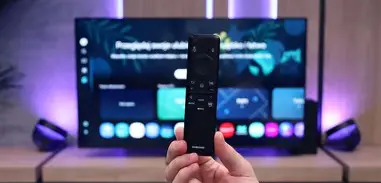
- Smart features: Samsung’s Tizen-based platform provides a mature app ecosystem and voice assistant integrations. For families that rely on streaming apps and built-in smart capabilities, the experience is straightforward.
- Sound and design: Like most flat-panel TVs in this class, the built-in speakers are serviceable for dialogue but fall short of a dedicated soundbar for immersive movie watching—buyers should plan for external audio if cinema-level sound is important.
Samsung QN70F Neo QLED TV — What makes it different
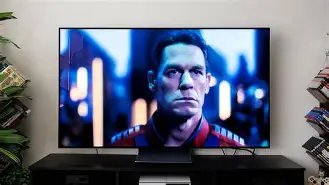
The QN70F Neo QLED sits a step above traditional QLEDs by combining quantum-dot color with a refined mini-LED backlight and improved image processing. The result is more precise control over local dimming, higher perceived contrast in many viewing conditions, and an HDR presentation that better preserves shadow detail without crushing midtones.
Key real-world observations:
- Contrast and black levels: The denser, smaller LED zones enable deeper blacks and less haloing around bright objects in dark scenes, which benefits cinematic content and late-night viewing.
- HDR impact: HDR highlights appear more textured and convincing, making HDR movies and well-mastered streaming content feel closer to the director’s intent.
- Gaming and motion: The QN70F typically includes more advanced processing and gaming features (e.g., low input lag, variable refresh capabilities) that benefit fast-action games and next-gen consoles.
- Price-to-performance: As a Neo QLED, the QN70F is often positioned as a value-oriented entry into mini-LED technology—buyers get many of the advantages of higher-tier models at a more accessible price.
Pros & cons
Samsung Q7F QLED TV — Pros & Cons
- Pros:
- Vivid color reproduction out of the box
- Strong bright-room performance for daytime viewing
- Mature smart TV platform with lots of apps
- Generally more affordable than Neo QLED alternatives
- Cons:
- Contrast and black depth can lag behind mini-LED models
- Local dimming is less granular, which can produce blooming in high-contrast scenes
- Speakers are basic—external audio recommended for movies
Samsung QN70F Neo QLED TV — Pros & Cons
- Pros:
- Improved contrast and shadow detail thanks to mini-LED backlight
- Stronger HDR presentation with better highlight separation
- Better suited for mixed-use households (movies and gaming)
- Often includes advanced processing and gaming features
- Cons:
- Typically higher price than comparable QLED models
- Mini-LED blooming, while reduced, can still be visible around very bright objects
- Design and speakers may still prompt buyers to add a sound system
Side-by-side comparison
| Category | Samsung Q7F QLED TV | Samsung QN70F Neo QLED TV |
|---|---|---|
| Display technology | QLED (quantum-dot enhanced LCD) | Neo QLED (quantum-dot + mini‑LED backlight) |
| Backlight control | Conventional LED local dimming (fewer zones) | Mini‑LED with finer zonal control |
| Contrast & blacks | Good for bright scenes; limited in deep blacks | Stronger blacks and contrast in darker rooms |
| HDR performance | Bright highlights; less depth in shadows | More impactful HDR with better highlight separation |
| Color reproduction | Rich, saturated color | Rich color with improved tonal accuracy |
| Gaming features | Capable; adequate input lag for casual gaming | Often better tuned for low input lag and variable refresh |
| Smart platform | Samsung Tizen: robust and user-friendly | Samsung Tizen: same platform, often identical UX |
| Sound | Basic built-in speakers | Basic to improved built-in audio depending on size; still limited for full home theater |
| Price positioning | Midrange; value-oriented | Upper-midrange; premium features at a reasonable cost |
| Best use cases | Bright living rooms, sports, general streaming | Dark-room movies, HDR content, console gaming |
Real-world use cases and what buyers typically care about
When evaluating TVs, buyers usually prioritize several practical factors. Here is how each model maps to common needs in 2026.
1. Bright living rooms and daytime viewing
Buyers with large windows or open-plan living areas want TVs that combat ambient light. The Q7F, with strong peak brightness and anti-reflective treatments common to Samsung’s QLED lines, performs well in such spaces. Colors stay lively and contrast remains acceptable for daytime sports and news.
2. Dark-room movie nights
For cinephiles who dim the lights, contrast and black uniformity become essential. The QN70F’s mini‑LED backlight and more granular dimming control reduce the glow around bright objects and preserve shadow detail, making it a superior choice for evening movie sessions.
Shop the latest TVs & Home Theater picks on Amazon.
Shop Amazon →3. Gaming
Competitive and casual gamers alike care about input lag, refresh stability, and adaptive sync. While both TVs can be capable, the QN70F often includes newer processing and gaming modes that reduce input lag and offer variable refresh rates, making it a better match for modern consoles and PC gaming setups.
4. Mixed household use
Many households need a single TV to do everything—streaming, kids’ cartoons, sports, and gaming. The QN70F’s broader strengths across contrast and HDR make it more versatile for mixed use, though the Q7F will satisfy families prioritizing bright-room viewing and a lower price point.
5. Streaming and apps
Samsung’s Tizen platform, used on both TVs, remains a leading smart TV OS with wide app support and regular updates. Buyers should verify specific app availability for niche services, but for mainstream streaming and casting, both sets meet expectations.
Buying guide: How to choose between the Q7F and QN70F in 2026
Follow this checklist to determine which model fits a buyer’s needs:
1. Decide where the TV will live
Assess the room’s ambient light. If the room is bright and reflections are a concern, the Q7F’s bright highlights and anti-reflective coatings make it a sensible pick. For darker home theaters or living rooms where evening viewing dominates, prefer the QN70F for its improved contrast.
2. Prioritize content type
If the household watches a lot of HDR movies and high-quality streaming, the QN70F’s enhanced HDR handling and local dimming will offer a more cinematic impression. For broadcast TV, daytime sports, and general family viewing, the Q7F is often fully adequate.
3. Factor in gaming requirements
Competitive gamers should check the specific gaming feature list for each TV: input lag numbers, VRR support, ALLM, and whether the set supports the console’s desired resolutions and frame rates. The QN70F generally has the edge; casual gamers may find the Q7F acceptable.
4. Consider audio needs
Neither TV is likely to provide immersive audio comparable to a dedicated soundbar or AV receiver. If space allows, allocate budget for an external sound solution; this often has a larger impact on perceived quality than small differences in panel performance.
Looking for the best TVs & Home Theater deals on Amazon?
See Deals →5. Check ports, connectivity, and future-proofing
Check for the number and version of HDMI ports, eARC support for high-quality audio passthrough, Wi‑Fi standards, and Bluetooth. These influence longevity—especially with newer consoles and AV equipment. The QN70F is often offered with newer connectivity standards first.
6. Budget vs value
Set a realistic budget and weigh the incremental benefits. If the QN70F’s mini‑LED advantages fit comfortably within the budget, it represents a strong value for a dramatic improvement in HDR and contrast. If budget is tight, the Q7F remains an excellent performer for everyday viewing.
7. Calibration and picture settings
Out-of-the-box picture settings vary by unit. Buyers who want the most accurate color and tone mapping should allow for a basic professional or custom calibration session, especially on the QN70F where HDR nuance can be maximized by correct settings.
Maintenance, longevity, and practical tips
Both models use solid-state panels that require standard care: avoid static images for long periods to reduce a theoretical risk of retention, keep firmware updated to receive picture and feature improvements, and use manufacturer-recommended mounts to ensure heat dispersal and proper airflow. For buyers in 2026, factor in warranty length and the availability of firmware updates—continued software support can materially affect smart TV experience over years.
Conclusion
Between the Samsung Q7F QLED TV and the Samsung QN70F Neo QLED TV, the decision in 2026 boils down to environment and priorities. The Q7F remains a dependable choice for bright-room viewing, everyday streaming, and buyers focused on color punch without paying a premium. The QN70F, by contrast, delivers a noticeable step up in contrast, HDR rendering, and gaming-friendly features thanks to its Neo QLED approach. For movie enthusiasts, serious gamers, or anyone who values deeper blacks and better HDR impact, the QN70F is the more future-oriented pick. For budget-conscious buyers or those whose primary viewing is in well-lit spaces, the Q7F continues to offer strong value.
Ultimately, selecting the right TV requires aligning the set’s strengths with how and where it will be used. Testing both models in the intended room—if possible—and reviewing each unit’s current firmware and available ports will help ensure the chosen TV meets household expectations for years to come.